NewsAugust 13, 20262 Minutes
The Sardinian “leppa”: Craftsmanship, Identity, and the Island’s Heritage
The Sardinian leppa knife belongs to that rare genre of objects born from necessity and later recognized as symbols. Before it was admired as a refined expression of local craftsmanship, part of daily life. It was worn at the waist, kept close at hand, used in the fields, among animals and along the working paths of inland Sardinia. Over time, its meaning broadened. What began as a blade with a precise function came to embody a deeper image relating to the identity of the island itself, where utility and beauty have long existed side by side.
The word leppa originally referred to a fixed-blade knife worn at the belt, the leppa de chintu. Later, the name became linked more generally to the Sardinian knife tradition, with its forms, gestures and technical knowledge shaped during the nineteenth century. That was the period in which the Sardinian knife acquired its most recognisable identity. Among the bestknown traditions, the Dorgali leppa remains especially evocative, with its elongated lines and finely made blades.
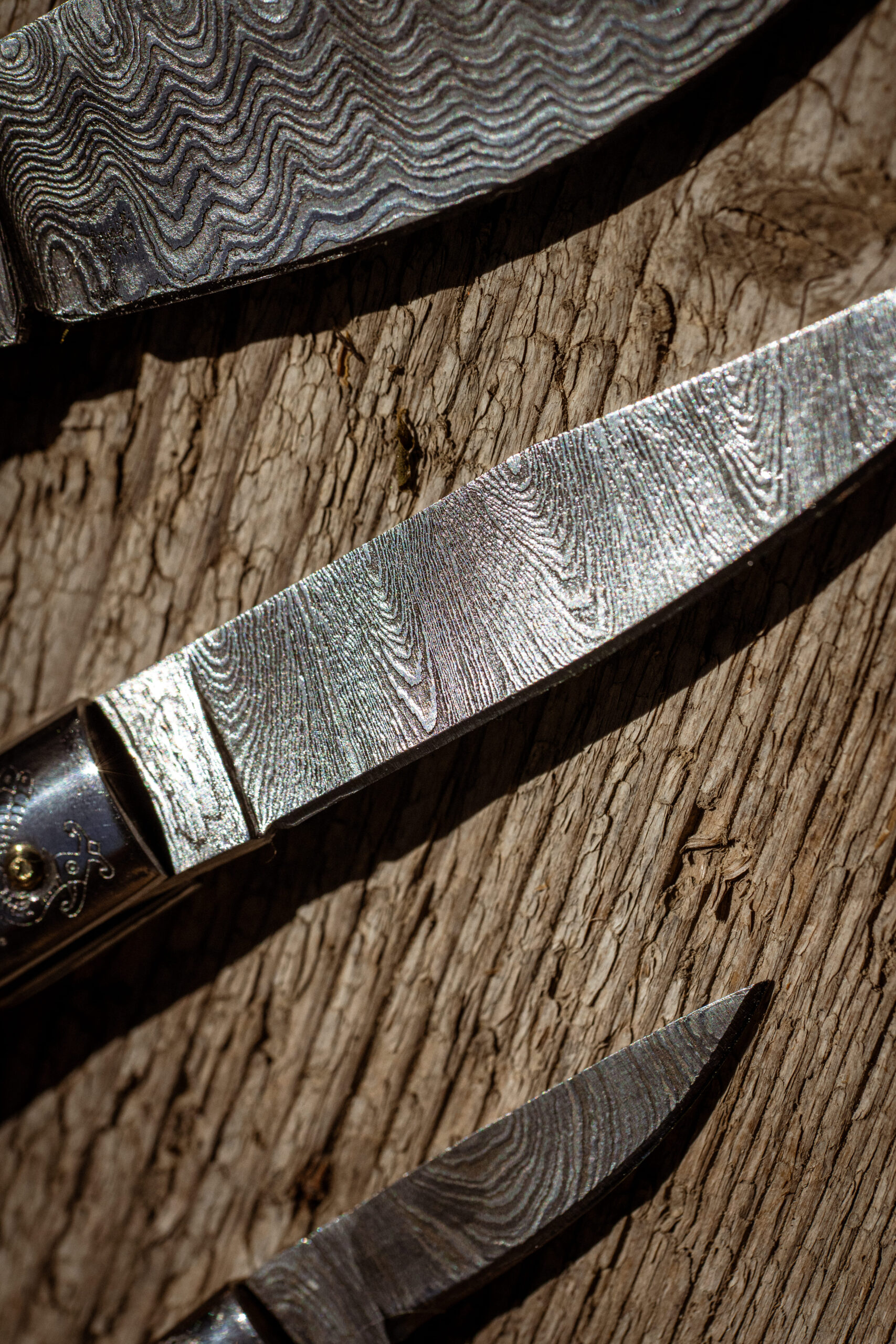
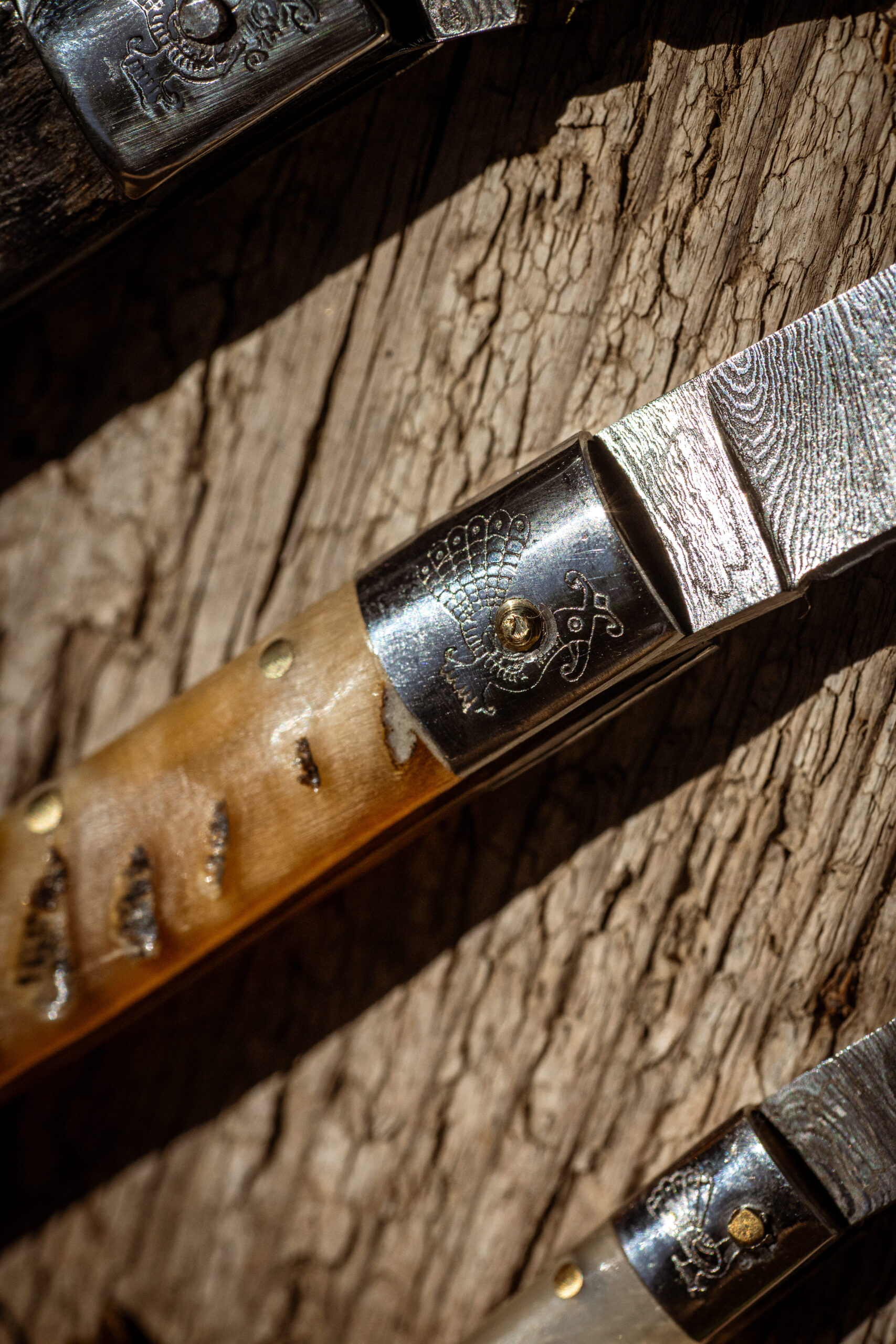
What makes the leppa compelling is not only its history, but the way it was made. Sardinian knife-making rests on rigorous manual skill. Horn, steel, brass, along with balance, finishing and incision all belong to a language of precision in which nothing is accidental. Proportion, the fitting of the parts, the quality of the blade and the balance between handle and steel all define the object. Even when reinterpreted, it remains tied to a formal and technical tradition shaped between the nineteenth and early twentieth century.
This history is now supported by valuable institutional recognition. In 2024, the Italian Ministry of Culture published the official record and decree declaring the “Leppa di Fabbricazione Sarda” a historical and artistic cultural asset. The leppa is not only a crafted object, but a living fragment of Sardinian memory. A selection of Sardinian leppas can be found in the Aquarium boutique, where this tradition continues to speak the language of the hand, of matter, and of the island itself.