NewsJuly 23, 20263 Minutes
A Guide to the Flora of Torre delle Stelle
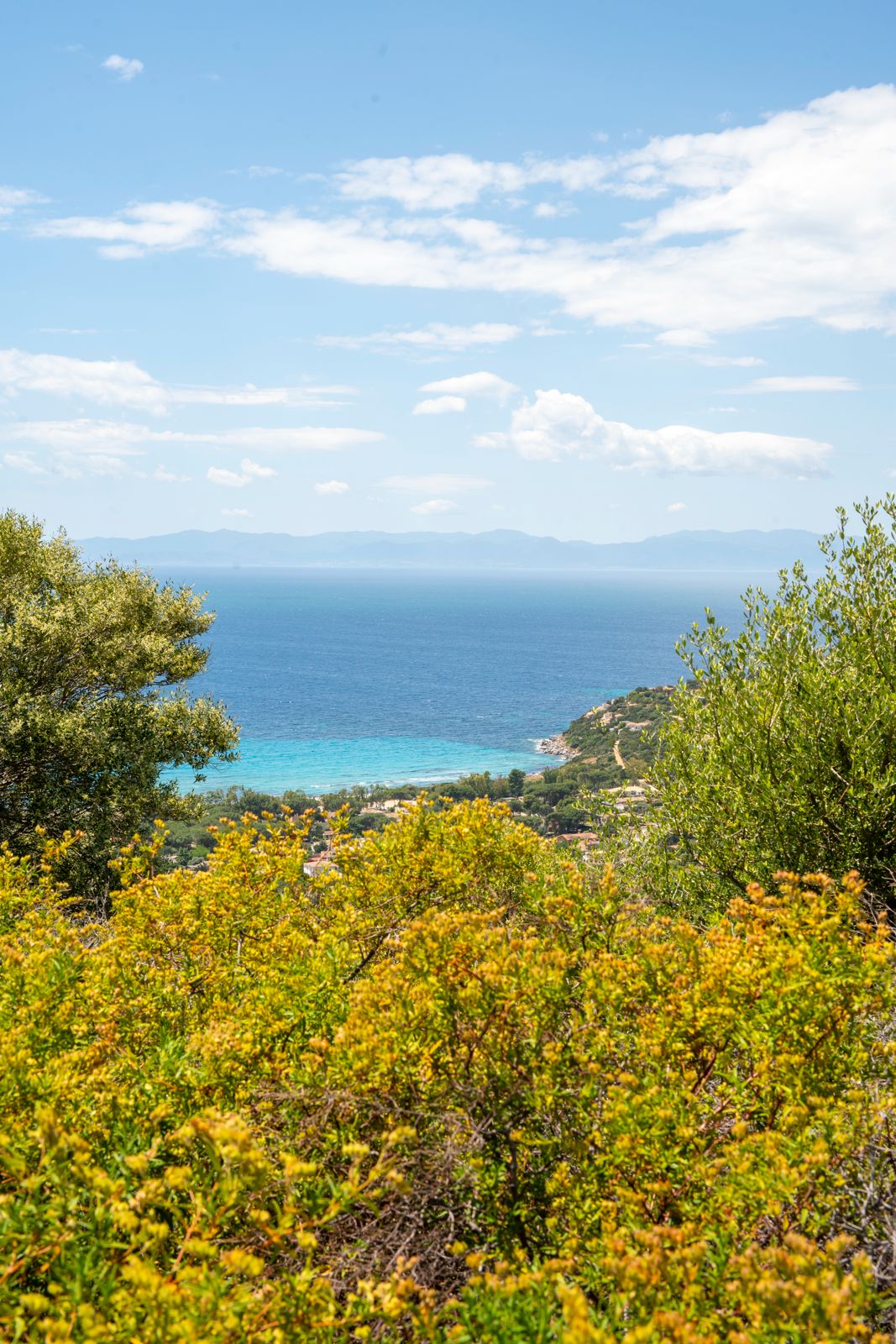
Around Torre delle Stelle, the term “Mediterranean scrub” does not describe a single habitat but instead refers to different plant formations linked by one main feature, the dominance of species adapted to long, dry Mediterranean summers. Myrtle, lentisk, wild olive, phillyrea, strawberry trees and alaterno all survive by limiting water loss, often through thick, resistant leaves that reduce evapotranspiration.
In south-eastern Sardinia, and especially around Torre delle Stelle, this vegetation is shaped by granitic soils, proximity to the sea, and a warm climate that is among the hottest on the island. The sea moderates temperatures, but it also carries salt through marine aerosol. The result is coastal flora highly adapted to heat, drought, wind and salinity.
Among the most widespread formations are scrublands dominated by lentisk and wild olive. Their colours are part of the local landscape defined by the silvery grey of wild olive leaves, the vivid green of lentisk, and its red fruit clusters. Both species produce fruits that can be processed into oils for food and cosmetics.
Where the humidity is slightly higher, myrtle becomes more common, often accompanied by alaterno, strawberry tree and other Mediterranean species. In Sardinia, myrtle also has strong cultural value; it is used for the wellknown liqueur, but also in preserves and cooking, especially with meat. Other local formations combine wild olive and carob, a tree once important for animal feed, carob flour, sweets and natural thickeners. Juniper appears in two coastal settings. One type grows on sandy dunes, helping to stabilise them against erosion, while another grows farther inland or behind the dunes on granite rock.
One of the most striking coastal plants is Euphorbia dendroides. Between late winter and spring, it colours the landscape green, yellow, orange and deep red. Its summer leaf fall is a notable adaptation. Instead of losing leaves in winter, it sheds them during the driest months to reduce water stress.
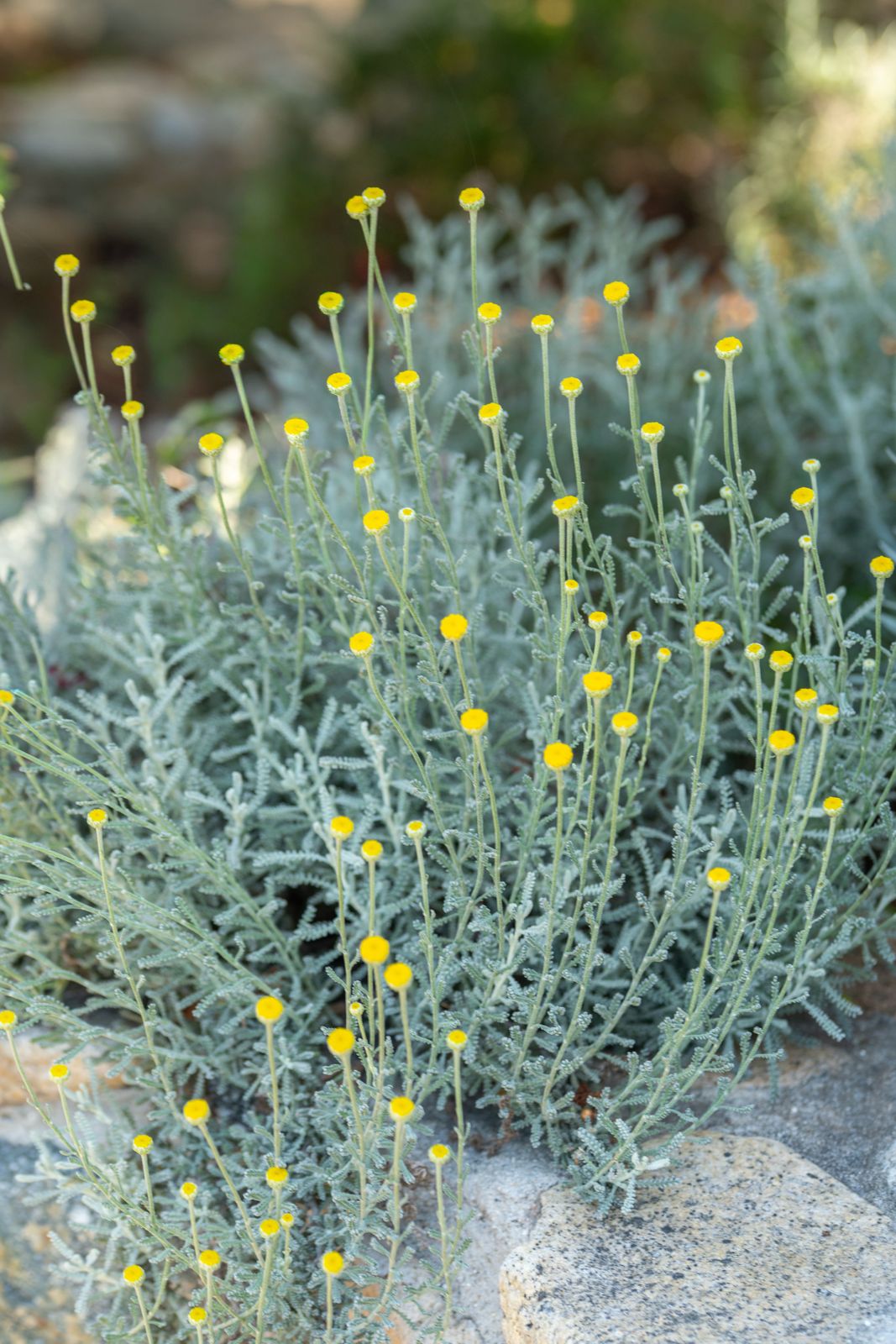
Alongside the scrublands are the garigues, the lower and more open plant communities of smaller shrubs. Here grow cistus, lavender, thyme, germander and several helichrysums. The most recognisable scent is that of Tyrrhenian helichrysum, found in Sardinia and southern Corsica, known for its distinctive liquorice note. These garigues are rich in species traditionally used for essential oils, medicinal preparations, cosmetics and Sardinian folk remedies.
The local flora also includes woods, cliff vegetation, beach and dune plants, and riparian formations along streams and watercourses. This diversity is now under pressure from invasive alien species introduced by humans, including eucalyptus, acacia, prickly pear, agave and Carpobrotus. Favored by rising temperatures and lower rainfall, they compete with native vegetation and threaten endemic species.
To understand Torre delle Stelle, its plants must be read as a natural language of granite, salt, heat, drought, use, memory and fragile balance.