NewsJune 22, 20262 Minutes
Time, Territory, Tradition Of Torre delle Stelle
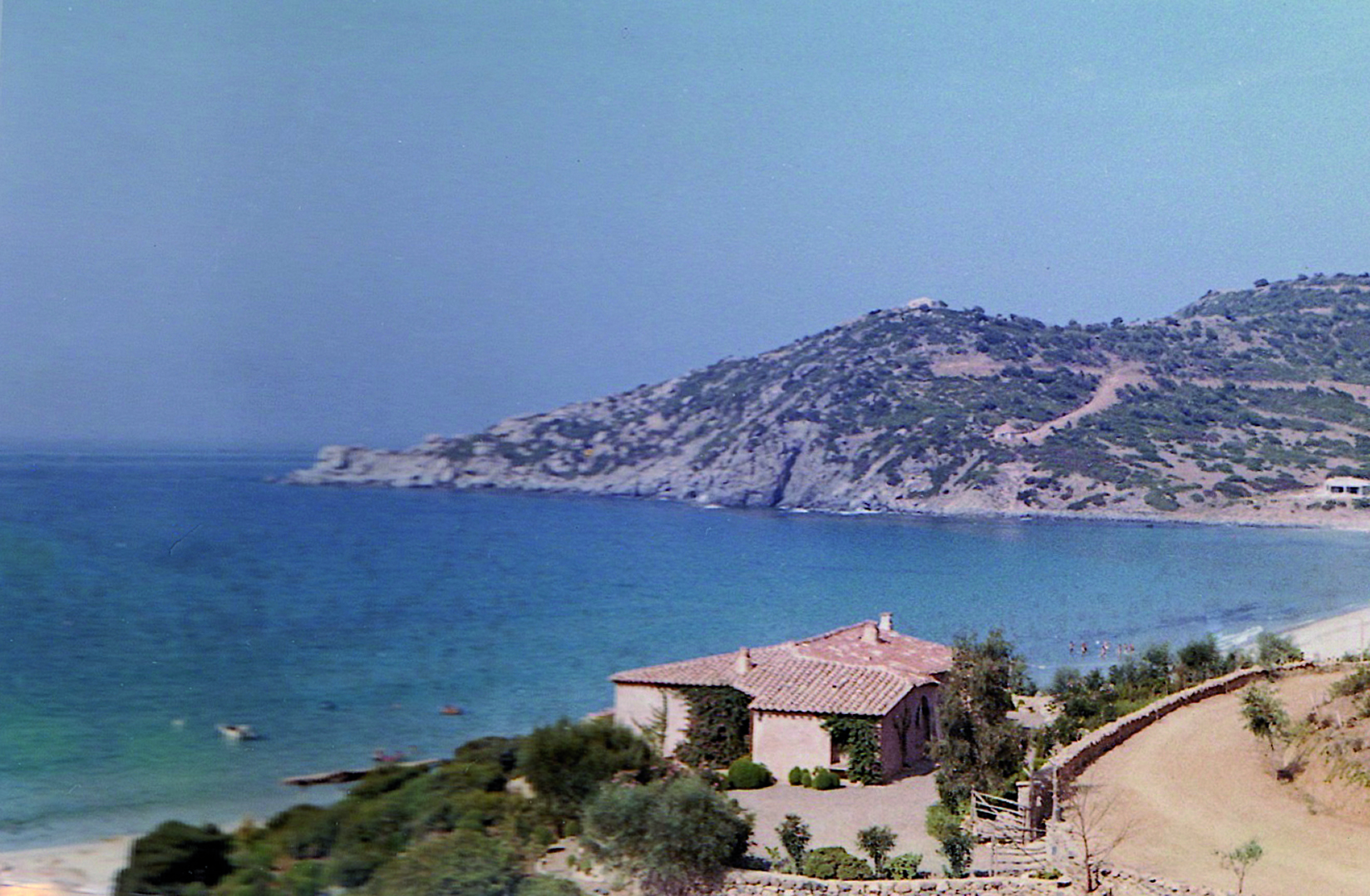
Torre delle Stelle lies at the intersection of time, myth, and landscape. Long before it became a seaside retreat, this stretch of Sardinian coast was part of the Nuragic civilization, with its memory still visible in the megalithic towers and sacred sites near Cann’e Sisa, relics of a culture that thrived here from 1800 BCE.
Later came the Punic and Roman eras, when the area known as Calagonis emerged as a vital hub for sheep farming and trade.
The Middle Ages left other imprints from the Byzantine, Pisan, and Aragonese civilizations. In 1578, during a time of coastal vigilance, Torre de Su Fenugu was built, to protect the area from Saracen attack. The local stone tower still stands today, anchored to granite stones above the sea, a reminder of centuries spent scanning the horizon for danger.
Even the modern era left its mark. In 1943, British submarines sank the Italian Motonave Loredan just offshore; its wreck now rests on the seabed as a dive site. It was only in the 1960s that Belgian visionary Edith Pelgrims de Bigard imagined a village built in harmony with its surroundings. She named it “Torre delle Stelle” and gave its streets the names of constellations.
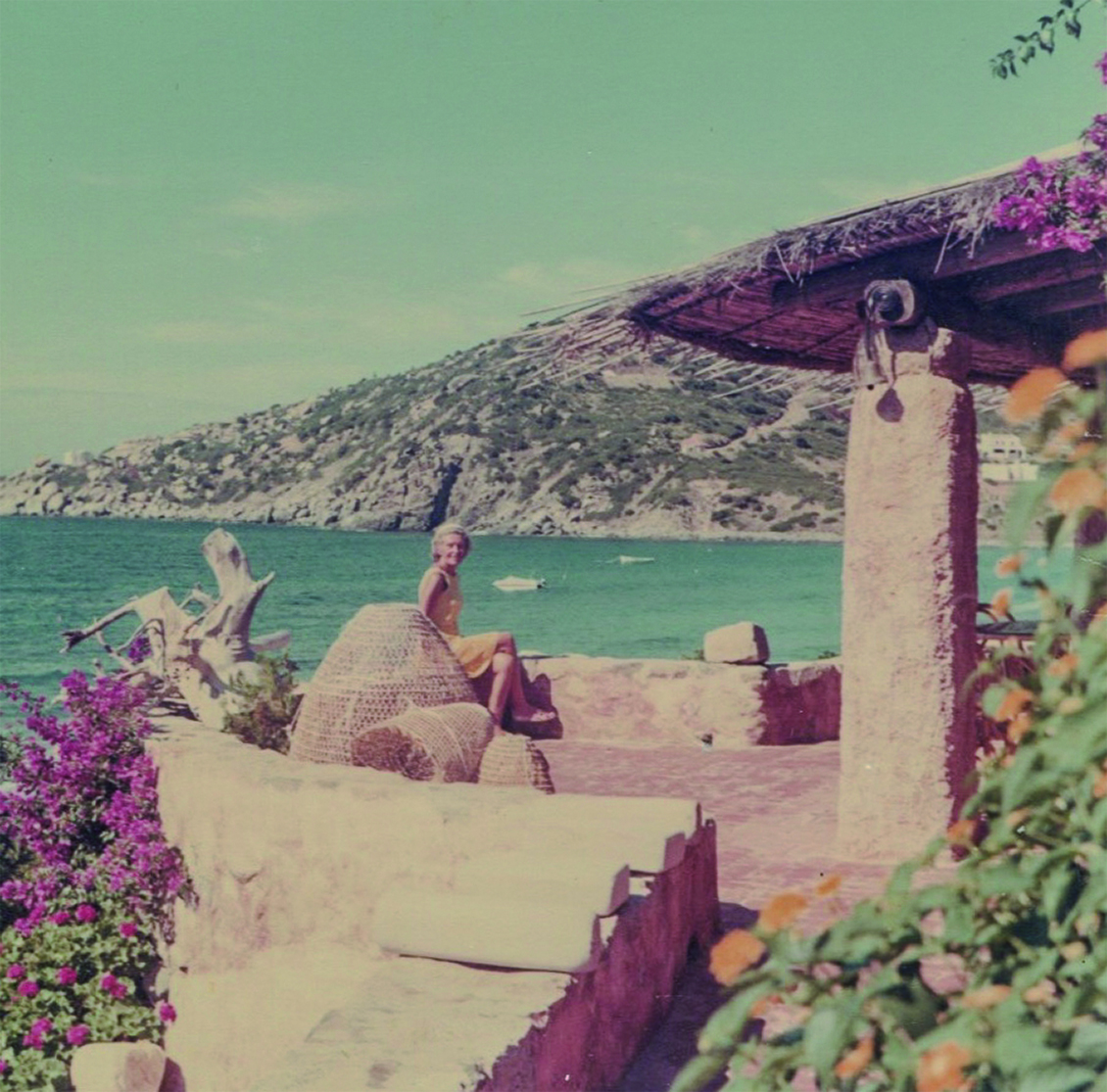
Set along Sardinia’s southeastern coast, between Cagliari and Villasimius, Torre delle Stelle is reached by the winding SP17 or the more direct SS 125. It is a quiet corner of the island, shaped by geography and protected by the strong mistral winds from the northwest. The Mediterranean climate brings long, sun-drenched summers and mild winters; the sea stays warm well into autumn. The landscape unfolds in a textured mosaic—fragrant scrub, rough granite, tall pines. Just inland, the Monte dei Sette Fratelli range rises into protected wilderness, home to Sardinian deer, golden eagles, and trails that wind through shadow and stone, silence and sky.