NewsJuly 15, 20264 Minutes
Citrus Memories – From Torre delle Stelle to Sarrabus
From Torre delle Stelle, everything seems to begin with the sea. Light settles over the bays, the wind moves across the headlands, and every day follows the easy rhythm of the coast. Yet it takes only a short drive inland to discover that this corner of south-eastern Sardinia is shaped by more than beaches and open horizons.
Beyond the shoreline is another story, quieter but just as rooted in the identity of the area. In the fertile land of Sarrabus in the Flumendosa valley, Muravera is recognized as the island’s main citrus centre, in a historic agricultural landscape of oranges, lemons, mandarins and clementines.
This inland world is more than an excursion into a more rural Sardinia. It is a natural extension of the landscape. If the coast carries the breath of the Mediterranean, Sarrabus carries its fruit. Here, citrus groves are not simply cultivated fields. They shape the memory of the land, its seasonal economy, its scents and even its image. Officially recognized traditional varieties, such as Arancio di Muravera, Limone dolce di Muravera and Tardivo di San Vito, still link placenames to the long continuity of agricultural work.
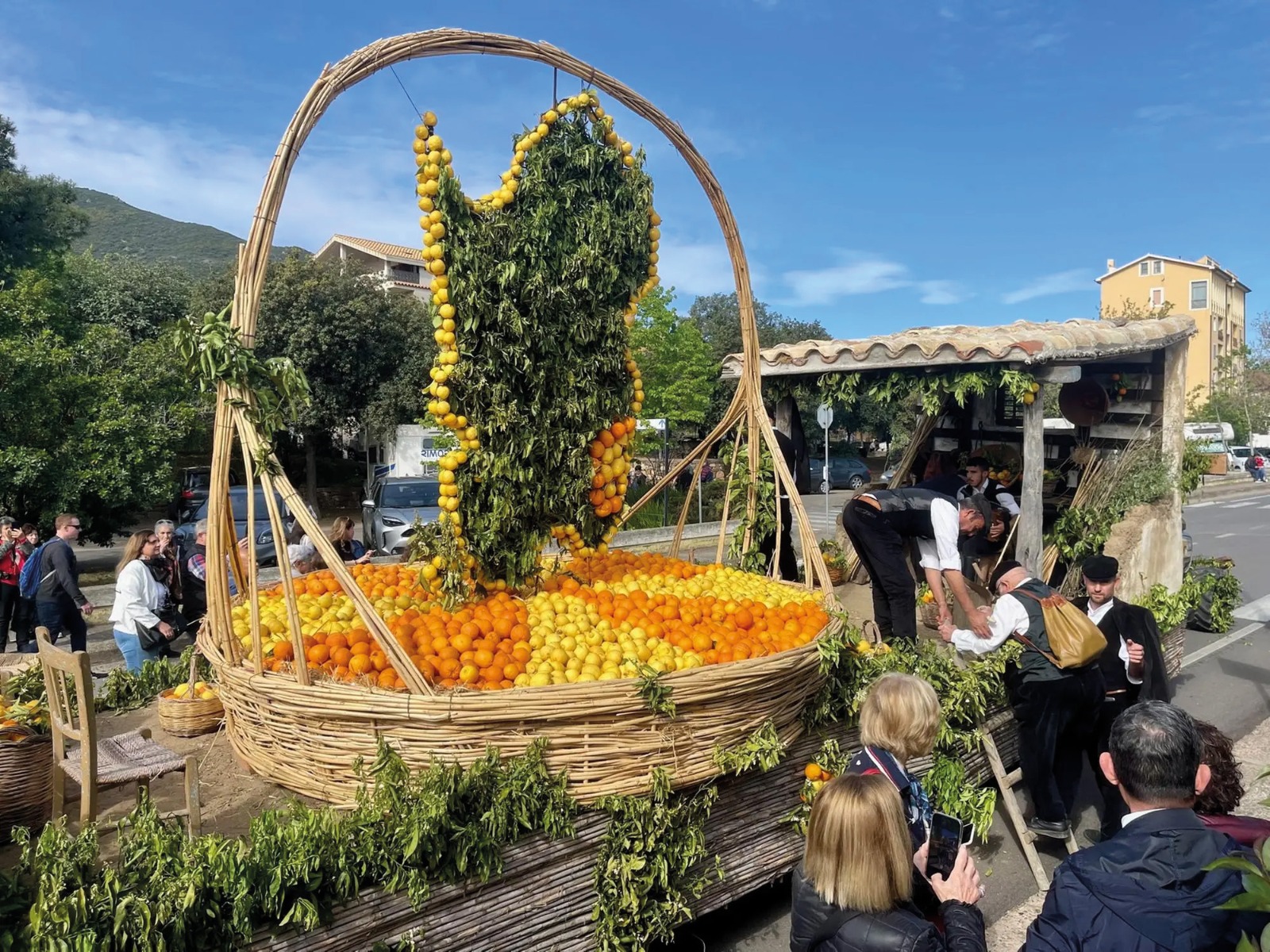
The citrus season lasts for months. Early varieties are harvested between the winter and the beginning of spring, while the later cultivars extend the season into May, carrying the presence of the fruit well beyond the colder months. This seasonality shapes not only production, but also the atmosphere of the countryside with the vivid colour of the groves, the pungent scent of citrus peels, the softer light of late winter moving slowly towards spring. In Muravera, this bond is so strong that it is still celebrated in the Sagra degli Agrumi festival, one of the clearest expressions of local identity.
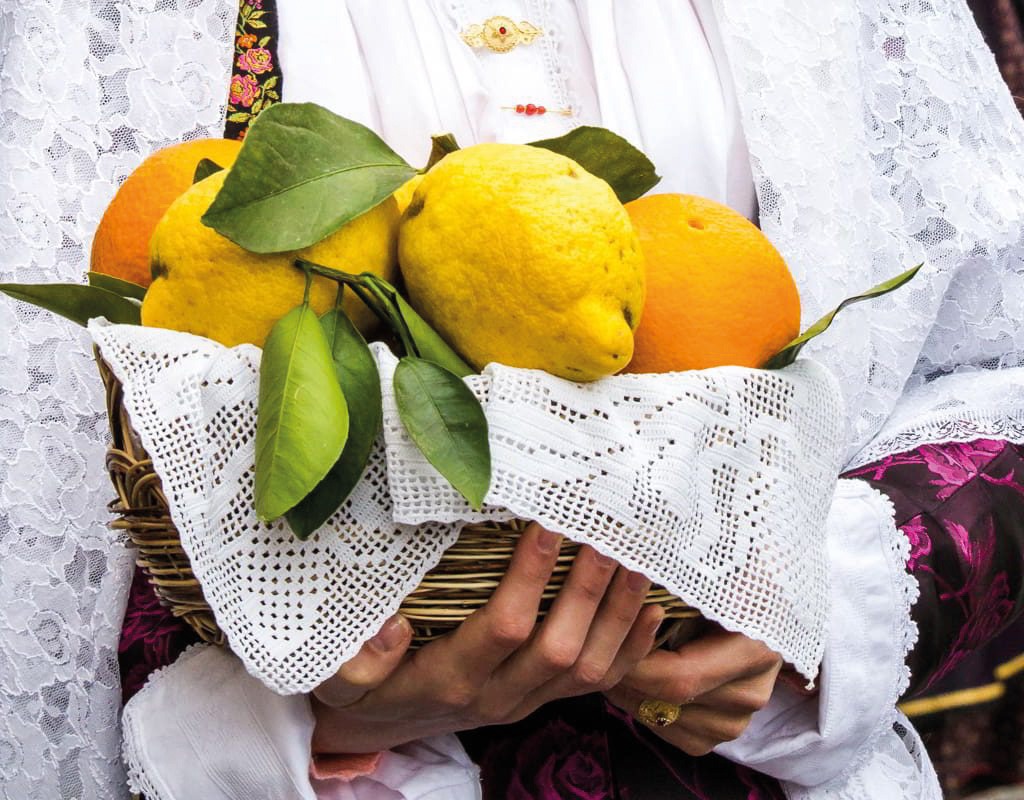
In this part of Sardinia, the harvest does not end with fresh fruit. Part of the story continues to preserves, home preparations, and the patient gestures that keeps a season alive and carry it forward. Sapa di arancia is perhaps the most evocative product of this culture of preservation.
Made from orange juice and tied to the traditions of Sarrabus, it reflects a way of cooking that wastes nothing and turns abundance into memory. The official regional record notes that it was also prepared using fruit felled by the maestrale winds, then used throughout the year in traditional sweets, especially pan’e saba.
The sea does not lose its central role, but gains depth. Alongside the beauty of the coastline lies the wealth of a cultivated inland world. Alongside a seaside holiday comes the pleasure of discovery. The Sarrabus citrus groves and preserves remind us that south-eastern Sardinia is more than one landscape. It is the blue of the coast and the green of the orchards, the summer season and the calendar of harvests, the salt in the air and the bittersweet scent of citrus. Perhaps that is what makes this corner of the island so distinctive; it is a window onto the sea, and a natural threshold to the land.